


工商银行
As Mexico expands abortion access, activists support reproductive rights at US border_我的网站

A | 杭州今天下午到前半夜仍有较明显阵雨或雷雨,雷雨时局部可伴有短时暴雨和7~9级雷雨大风等强对流天气。 TIJUANA, Mexico -- It’s Sunday night and Crystal P. Lira is not answering her messages. Inside the headquarters of Colectiva Bloodys y Projects, an organization that has supported reproductive rights near the U.S.-Mexico border since 2016, her only concern is for the woman she has provided with a safe space to get an abortion.Lira, who lives in Tijuana, in northern Mexico, is one among dozens of Mexican “acompañantes" — volunteers who support women wanting to terminate a pregnancy. Located all over the country, most acompañantes offer virtual guidance through an abortion protocol in which no clinics or prescriptions are needed.Developed by activists after decades of facing abortion bans and restrictions in most of Mexico’s 32 states, the protocol encourages women to trust self-managed medication abortions following guidelines established by the World Health Organization.“Accompaniment means that we facilitate information, medications and everything a woman needs to get a safe abortion at home,” Lira said. “But we also provide emotional support and support to fight stigma, religious and cultural barriers.”Mexico’s Supreme Court recently ruled that national laws prohibiting abortions are unconstitutional and violate women’s rights. The ruling, which extended Latin American’s trend of widening abortion access, happened a year after the court’s U.S. counterpart went in the opposite direction.The Mexican decision did not have the same immediate impact as Roe v. Wade, the 1973 U.S. Supreme Court ruling guaranteeing women’s access to abortion on a nationwide basis.Although the Mexican ruling orders the removal of abortion from the federal penal code and requires federal health institutions to offer the procedure to anyone who requests it, further state-by-state legal work will be needed to remove all penalties.“The court did not give a direct instruction to any local congress, but it sends a very clear signal of what congresses have to do,” said Sofia Aguiar, a lawyer at the Information Group for Chosen Reproduction, known by its Spanish initials GIRE.For now, 20 Mexican states still criminalize abortion.In Baja California, where Tijuana is located, abortion was decriminalized in 2021. By then, Lira had already gained five years’ experience as an acompañante.“Ahead of starting an abortion network, I questioned myself: How did I get to this point? Why did I live what I lived, and what could have been different?” she said.In 2012, Lira faced an unwanted pregnancy. “I didn’t know what to do, where to look for help,” she said.On the recommendation of a friend, and due to her hometown’s proximity to the U.S. border, Lira made an appointment at a Planned Parenthood clinic in San Diego. She traveled back home with pills and a debt of $600 that she paid for her abortion.Three years later, deeply conflicted by the inequality in abortion access, she became an activist and received training to become an acompañante.“The easiest part was learning the abortion protocol,” she said. “The toughest was acquiring a political perspective, understanding how abortions are based on rights and freedom.”Many reject her views in Mexico, a predominantly Catholic country.Soon after the court’s ruling in early September, former actor and right-wing activist Eduardo Verástegui announced he will seek the presidency on an anti-abortion platform. “Say ‘yes’ to life and ‘no’ to abortion,” he has said, echoed by his followers. Without mentioning him by name, the Catholic archbishop of Mexico City, Carlos Aguiar Retes, recently advocated voting for Verástegui in the 2024 election, and some Catholic, evangelical and anti-abortion groups have publicly supported him as well.“We think it’s good to have a character like him,” said Rodrigo Iván Cortés, director of the National Family Front, an anti-abortion group. “He’s explicit about defending life and family.”Abortion activists were not surprised by the conservative response to the court’s ruling. “Historically, every progressive movement is followed by a setback from groups that organize against it,” said Aguiar from GIRE. “We saw it in the United States.”Aguiar and her colleagues plan to keep advocating for reproductive rights. “We will continue working on issues like obstetric violence, maternal death and forced contraception,” Aguiar said.At Colectiva Bloodys y Projects, Lira has plans of her own.With a colleague who recently moved to San Diego, they hope to replicate some of their abortion strategies in California. “We want to migrate our perspectives,” Lira said. “To lead informative brigades and communicate that we can provide pills for those who can’t access abortion medication there.”It’s no coincidence that Lira’s views are influenced by migration. The surge of migrants approaching the U.S. border, traveling from Colombia through the Darién jungle and moving up through Central America into Mexico, could approach 500,000 this year.Venezuelans, Salvadorans, Haitians and Mexicans — internally displaced by violence — are among those who migrate by trains, buses and on foot. Along the way, thousands are victims of robbery, human trafficking and sexual abuse.“We’ve been seeing women who suffer a lot of violence on their way to the United States,” Lira said.Some migrants who wish to terminate their pregnancies contact them directly and others are channeled through shelters or midwives. “We have realized the need to support these women. … They experience violence, especially sexual, and need abortions,” said Minerva, another member of Colectiva Bloodys y Projects. For security reasons, she spoke on condition she be identified only by her first name.Access to medication and a private space to get a self-managed abortion are particularly difficult for migrants, who can spend several months in shelters on the border.“We want to accompany them,” Lira said. “But abortion access is just the tip of the iceberg. We expect to share key information for their physical and mental health.”Joining forces with a local organization focused on reproductive health, Lira and activist Monica Rosas will offer an informative workshop on fertility and the reproductive cycle by mid-October at a church-affiliated shelter where up to 1,700 migrants are currently waiting to enter the U.S.“We will create a space for self-knowledge as a tribe,” Rosas said.The program includes body literacy — naming parts of the anatomy free of taboos — and dances to celebrate the female body.“We would love for these women who are passing through, waiting for an opportunity to cross, to carry this information with them,” Lira said. “Our bodies are powerful and, if we know them, that can help us reach our own identity.”___Associated Press religion coverage receives support through the AP’s collaboration with The Conversation US, with funding from Lilly Endowment Inc. The AP is solely responsible for this content.。上午,杭州发布地质灾害气象风险橙色预警,杭州多地发布暴雨、雷电预警,请大家注意防范。从17日开始,杭州天气将转为多云为主。今天下午到夜间杭州仍有较明显阵雨或雷雨昨天中午到前半夜我市出现了大范围雷阵雨,局部暴雨到大暴雨。今天杭州受低涡系统影响,低涡如同汇聚水汽的水槽,不断输送充沛水汽。加上高空槽自西向东移动,提供降雨所需的动力抬升条件。水汽、动力两相配合,将带来明显降雨。

B | 预计今天(15日)中午到前半夜我市仍有较明显阵雨或雷雨,雨量中等,局部大雨到暴雨,个别大暴雨,雷雨时局部可伴有短时暴雨和7~9级雷雨大风等强对流天气。

C | 重点关注区域:余杭、临安西部和北部、建德、淳安。

D | 今天中午,富阳、临安、淳安、建德、桐庐、淳安发布了暴雨、雷电黄色预警信号。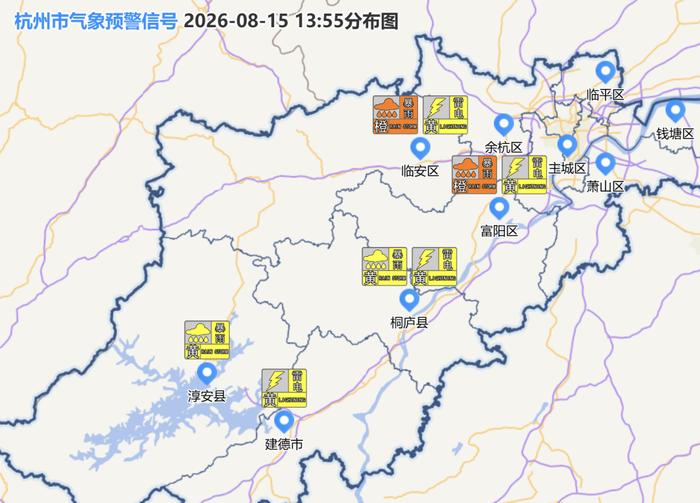 从17日开始杭州天气将转为多云为主好消息是,强降雨不会一直持续。

E | 今天后半夜开始,高空槽逐步移出,低涡系统也将北抬远离,降雨逐渐减弱。

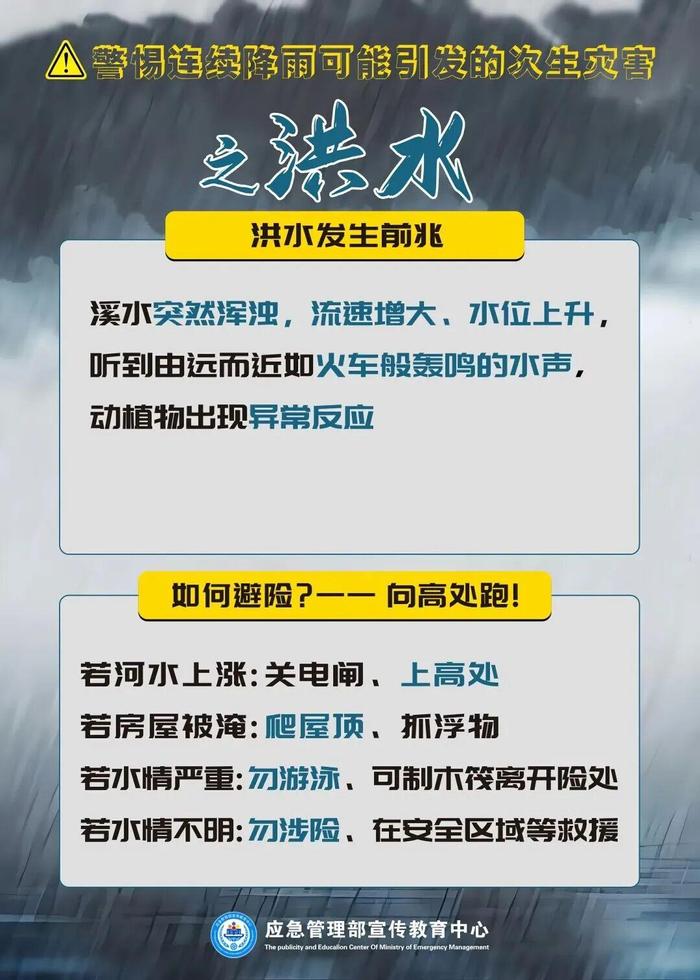
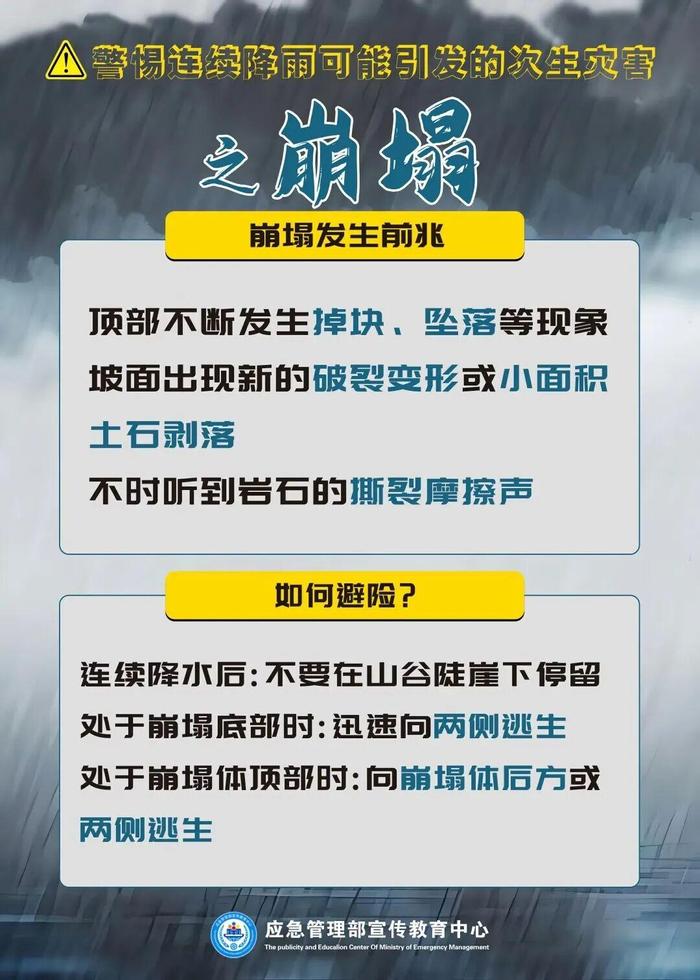
F | 从17日开始,副热带高压西伸掌控杭州天气,上空水汽显著减少,杭州的天气将转为多云为主。不过刚回归的副高势力尚未完全稳固,高空1500米以下区域仍有水汽输入,因此午后可能出现分散性雷阵雨。需要提醒的是,前期连续降雨叠加今日新一轮降水,土壤含水量趋近饱和,容易诱发城市积涝、山洪、泥石流等次生灾害。杭州发布地质灾害气象风险橙色预警杭州市规划和自然资源局、杭州市气象局今日09时51分联合发布地质灾害气象风险橙色预警:根据8月15日9时研判,未来24小时余杭区(百丈镇、黄湖镇、径山镇、鸬鸟镇、瓶窑镇)、建德市(航头镇)等部分地区地质灾害气象风险高(橙色预警); 富阳区(洞桥镇、万市镇)、临安区(龙岗镇、青山湖街道、太湖源镇、天目山镇)、淳安县(瑶山乡)、建德市(大同镇)等部分地区地质灾害气象风险较高(黄色预警)。请密切关注雨量情况,做好地质灾害防范工作!请大家密切关注最新天气预警信息同时掌握灾害避险方法↓↓↓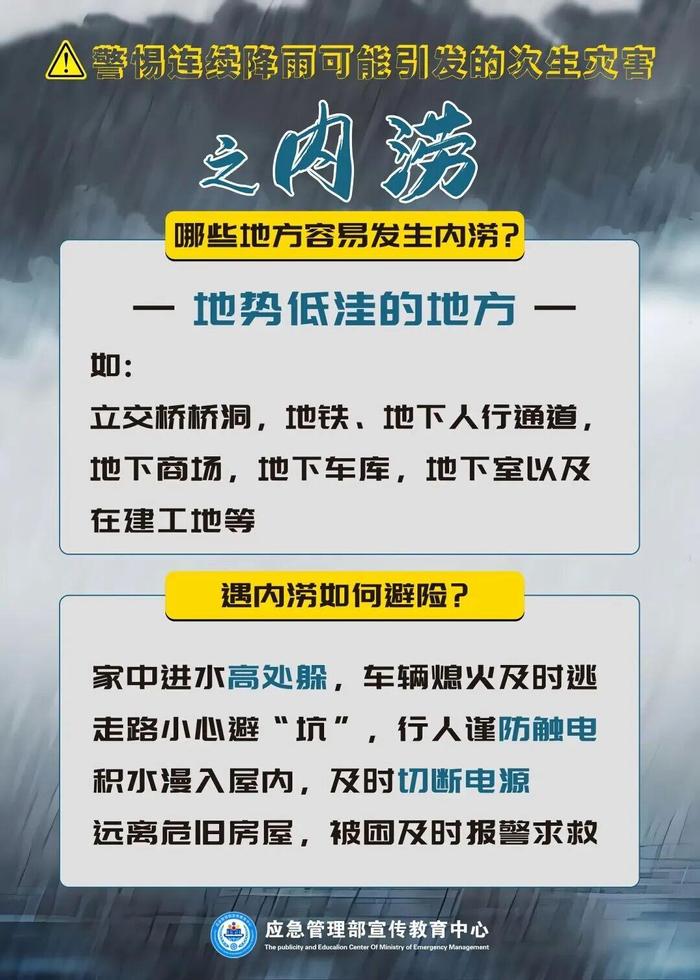
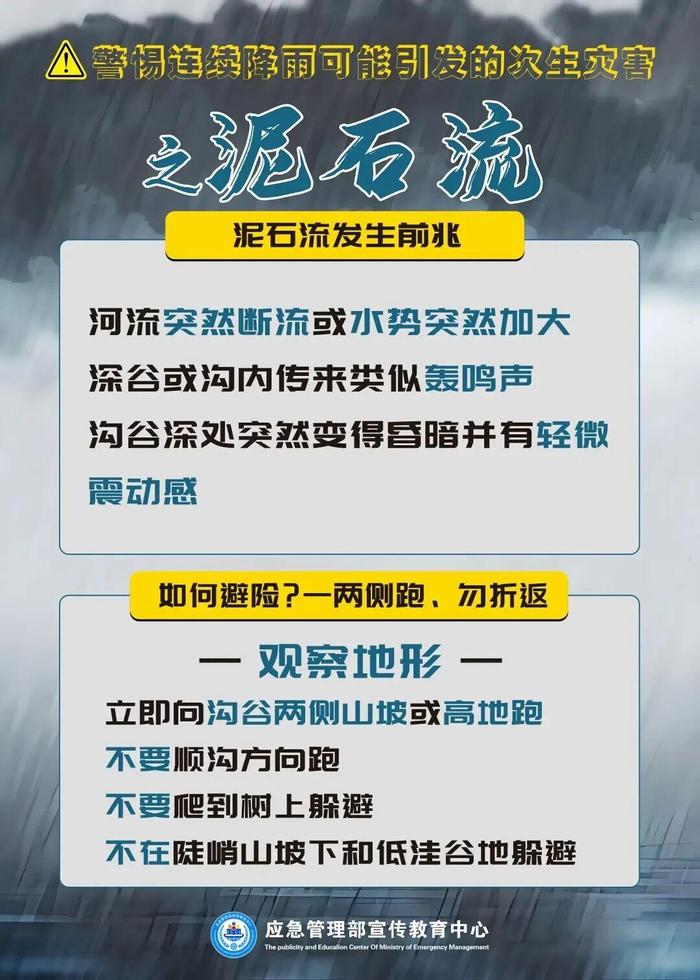 市区天气预报杭州市气象台8月15日10时发布16日(周日):多云到阴,午后到前半夜局部有阵雨或雷雨,25~31℃,西北风2~3级阵风4级;17日(周一):多云,午后有分散性阵雨或雷雨,26~32℃,偏东风2~3级;18日(周二):多云,午后有分散性阵雨或雷雨,26~33℃,偏东风2~3级;19日(周三):多云,午后有分散性阵雨或雷雨,27~34℃,偏东风2~3级;20日(周四):多云,午后有分散性阵雨或雷雨,26~33℃,偏东风2~3级;21日(周五):多云,午后有分散性阵雨或雷雨,26~34℃,偏东风2~3级。

G | 资料/市气象局、市规划和自然资源局。
Current article:http://ombev2.yaoyaotoutuanmieshaideizun.buzz/n5g/dqjj.html
Published on:08:15:26